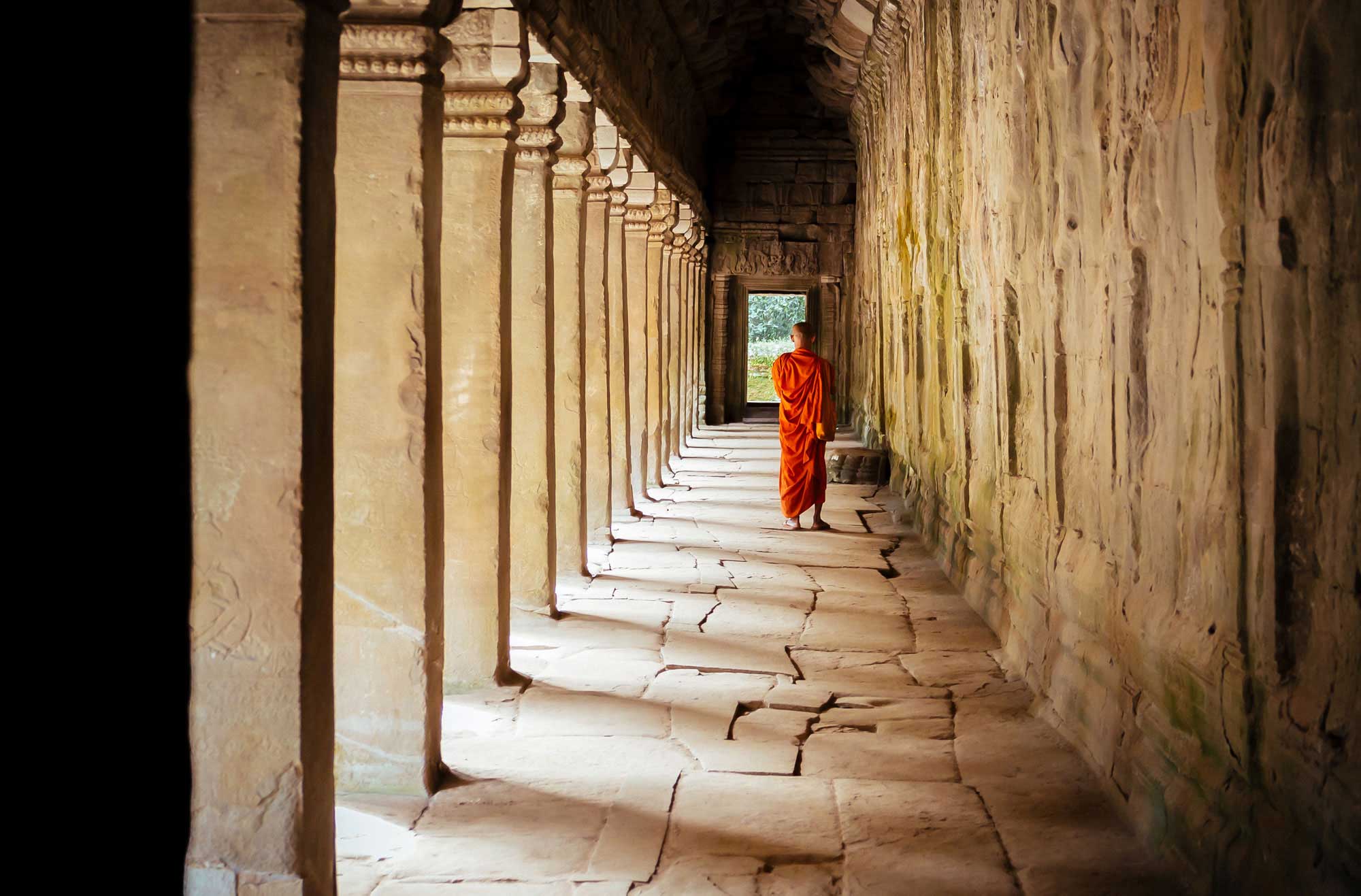
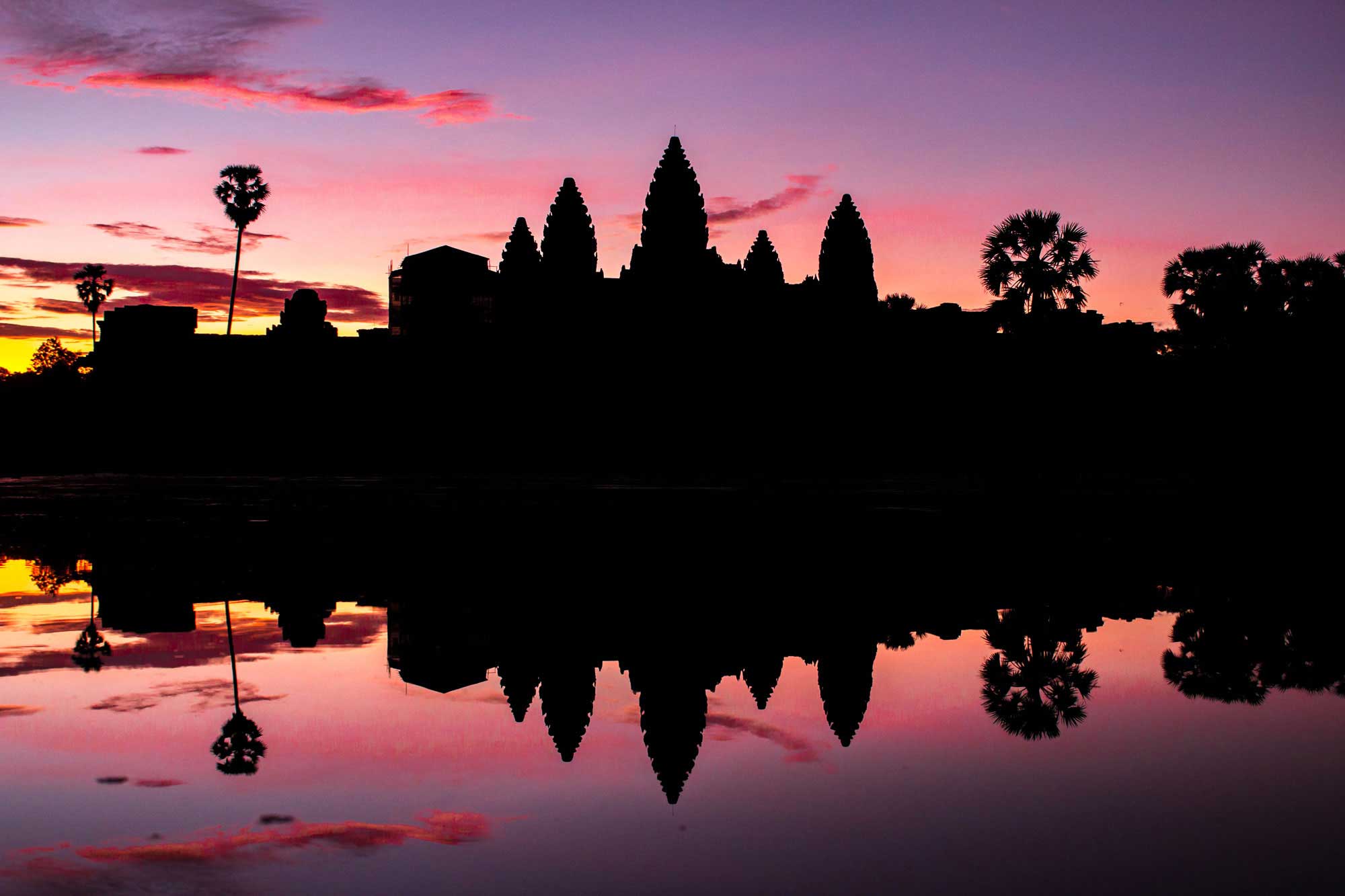
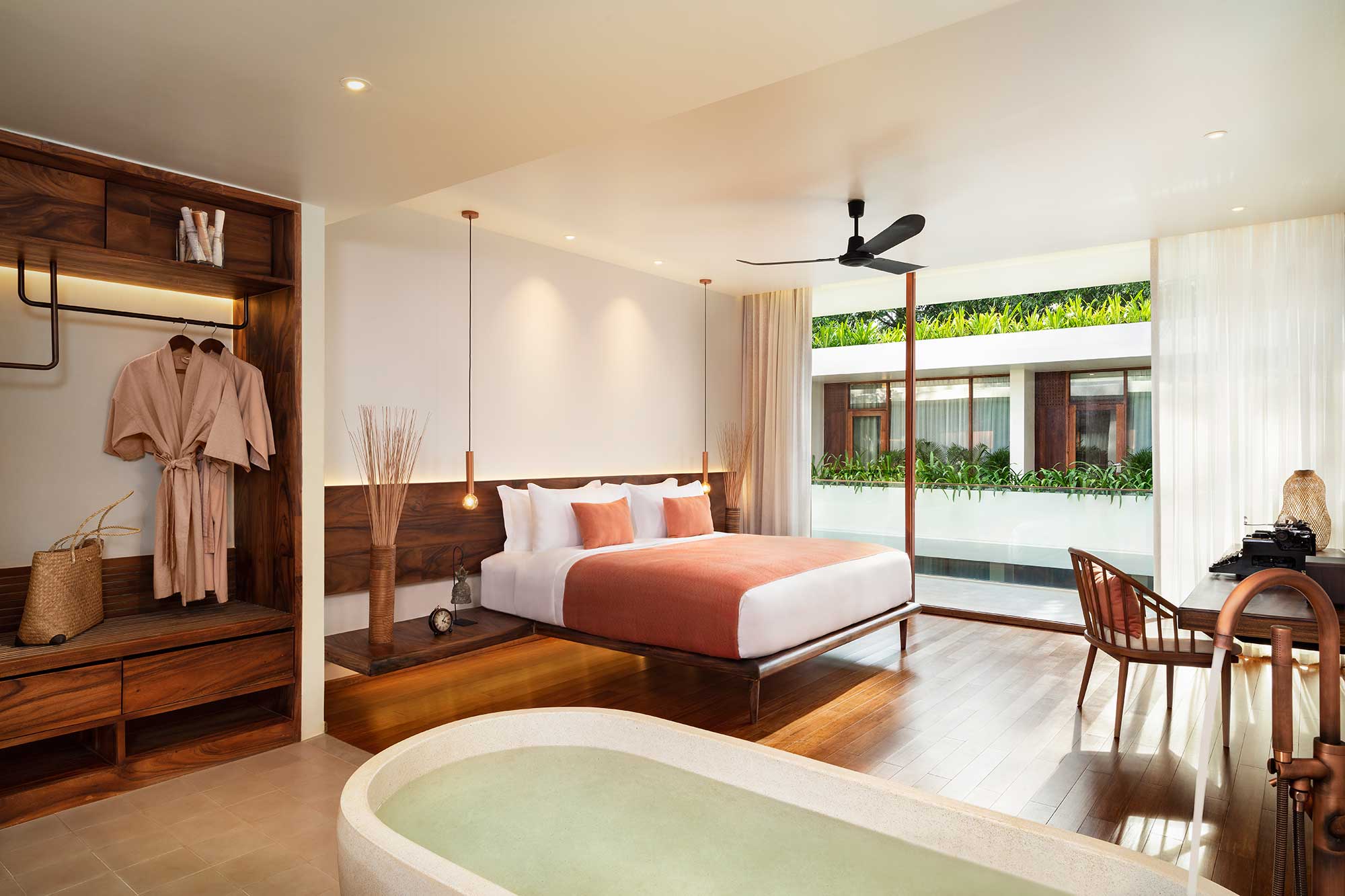
History. Edge. Exploration. Together, these form the origins of FCC Collection’s two distinct properties, FCC Angkor in Siem Reap and FCC Phnom Penh in Cambodia’s capital city. Our colonial mansions, adjacent to life-giving rivers in this bright, energetic land, provide respite and retreat, a dynamic home base for countless news correspondents, artists, writers, diplomats, humanitarians and the infinitely curious adventurers, who continue to journey from around the world, swapping and sharing stories on-site, on roads less traveled and on pages yet written.
Our ethos, to embody the emotion of home and hospitality, and to create warmth and camaraderie in an engaging environment that’s authentically rooted in the local community and its rich heritage, connects the past to the present, and legend to modern day. We’re a true social hub of like-minded seekers and forever discoverers, surrounded by 12th century temple complexes and landmark Khmer palaces alike, always in the know and on the ground.
Welcome to The FCC . Your stories shared.
#FCCStoriesShared #FCCCollection #FCCAngkor #FCCPhnomPenh

 CALL
CALL EMAIL
EMAIL